Step 1. Take control
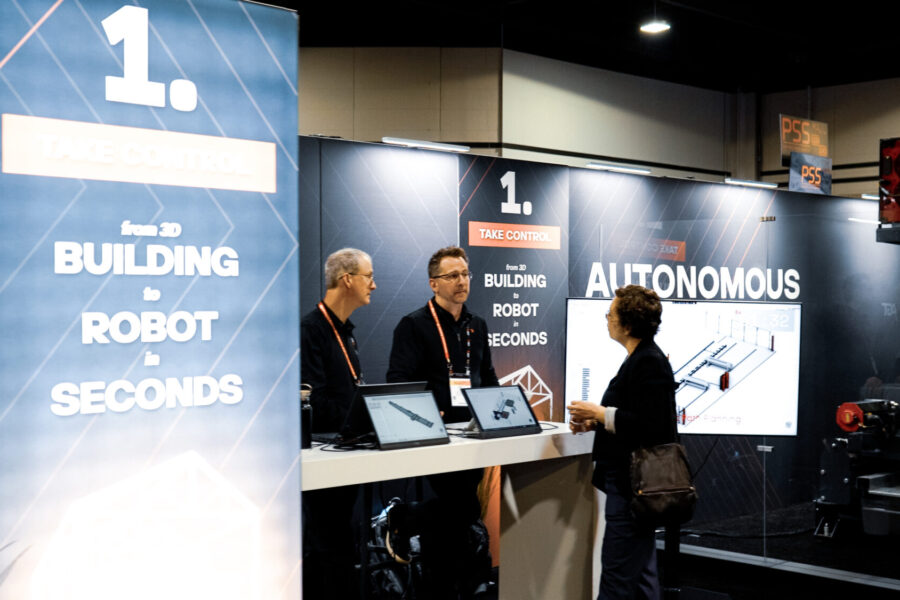
Control starts with the 3D building model.
With Cortex, fabricators can move from model data to robot ready welding instructions without traditional robot teaching or manual programming. The goal is simple: reduce the friction between engineering data and shop floor production.
At the booth, this message resonated because control is what many shops are looking for. They have work. They have pressure. They have skilled people. What they need is a welding process they can plan around with more confidence.
When the workflow starts from the model, production becomes easier to prepare, easier to repeat, and easier to manage.
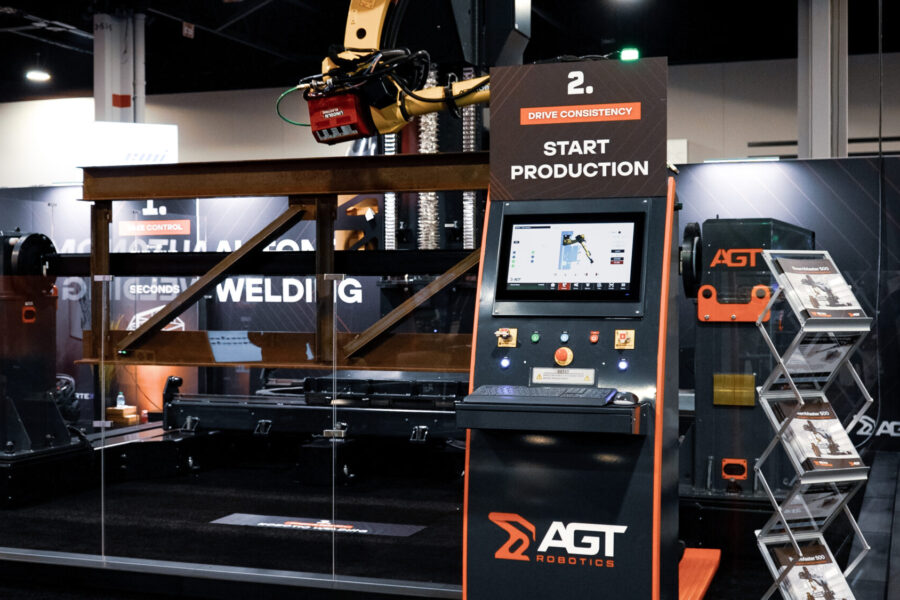
Step 2. Drive consistency
Once production starts, consistency becomes the difference between output you hope for and output you can trust.
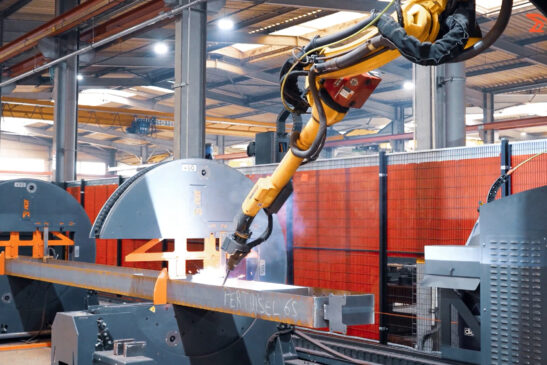
BeamMaster supports that consistency by combining model driven welding with SnapCam seam finding. SnapCam compares the real part condition to the programmed path and helps confirm that the joint is within the supported tolerance range before welding continues.
When the part is outside the expected range, the system can flag the issue so the operator can address it before time is spent welding a bad setup.
For fabricators, that means a more repeatable workflow. The same high-quality results every shift. Less rework. More confidence that the welding stage will behave the way the production team expects, even when the work changes.
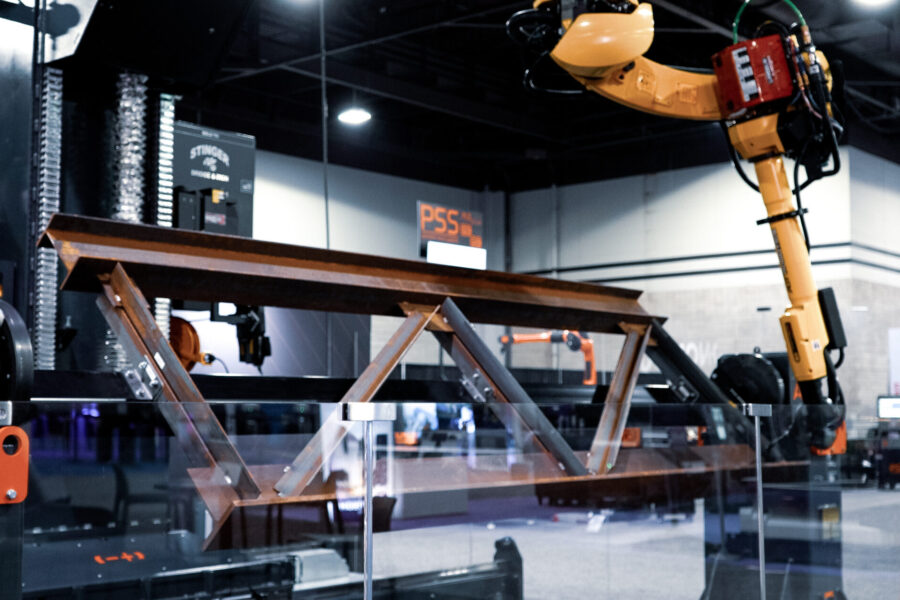
Step 3. Increase capacity
Capacity improves when the process becomes easier to control and more consistent to run.
That is where robotic welding changes the daily rhythm of the shop. BeamMaster helps turn the welding stage into stable output that managers can plan around. More parts can move through welding with less labor pressure, fewer surprises, and more room to grow as workload increases.
Capacity is the result of a better workflow.
When fabricators reduce friction before welding and stabilize the process during production, they create more usable output from the same shop floor. That is what makes automation valuable in a high mix structural steel environment.
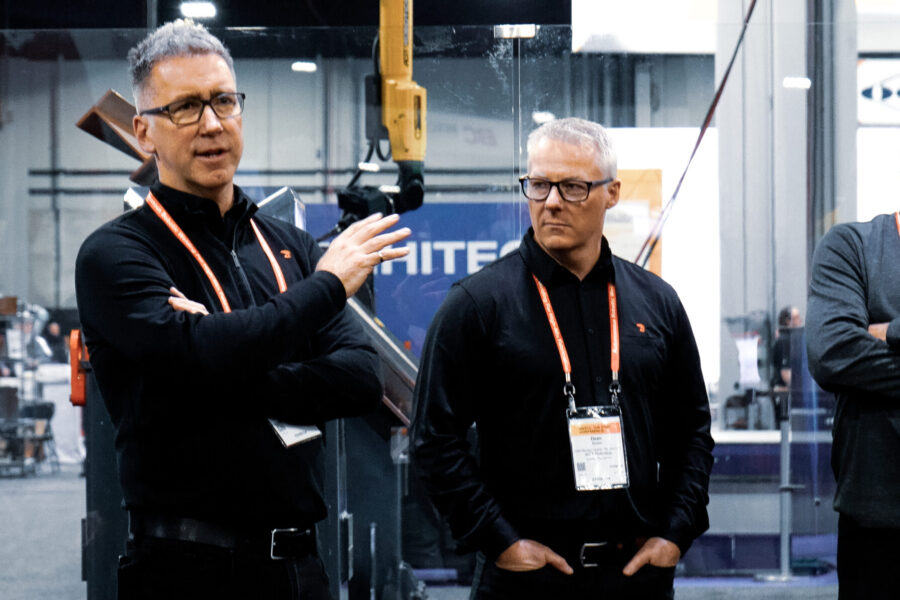
What we heard from customers and partners
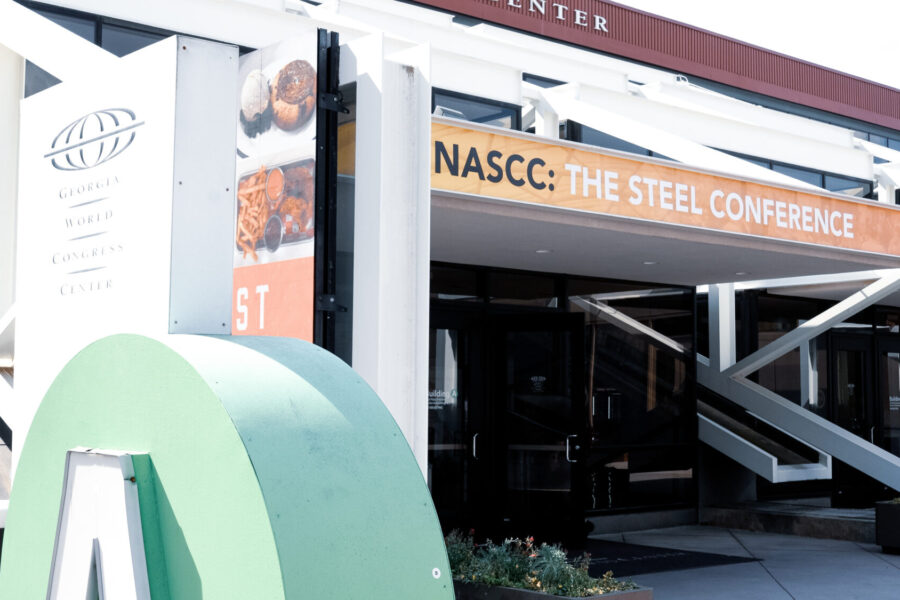
The conversations at NASCC reinforced the same market reality.
Welder shortages are still limiting growth. Welding bottlenecks are still affecting schedules. Fabricators want automation, but they want automation that fits the way structural steel work actually moves through the shop.
We also had the chance to meet in person with key partners and agents. Their feedback was consistent: interest in practical robotic welding remains strong because fabricators are looking for ways to stabilize output without taking on unnecessary operational risk.
Several customers also shared positive feedback on their AGT systems. Their comments pointed to the same priorities we heard throughout the event: predictable throughput, consistent weld quality, and stronger confidence in production planning.
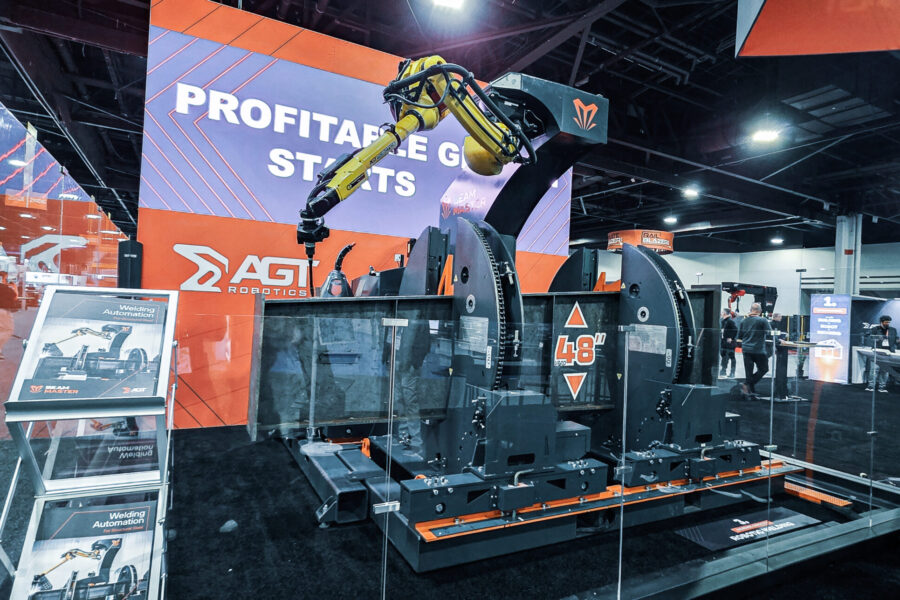
Profitable growth starts here
The booth message came down to one clear idea.
AGT helps structural steel fabricators take control, drive consistency, and increase capacity.
That sequence matters. Control makes the workflow easier to manage. Consistency makes production easier to trust. Capacity gives the shop more room to accept work, protect schedules, and grow with less chaos.
That is where profitable growth starts.
Beyond the show floor
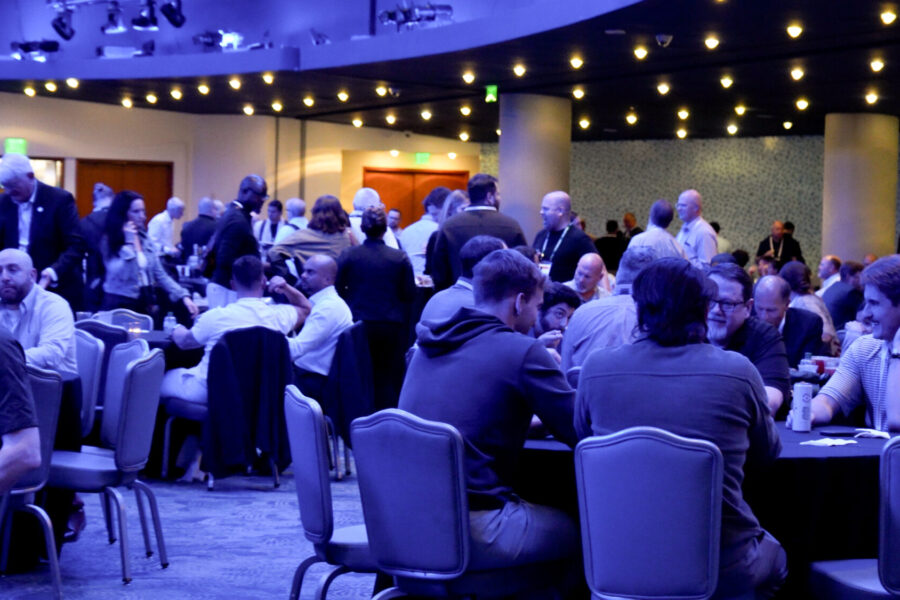
NASCC also gave us time to connect with customers, partners, and industry peers outside the booth.
We hosted a customer evening at the College Football Hall of Fame with good food, prize draws, and a few well-earned laughs. Our team also attended the NASCC Conference dinner at the Georgia Aquarium, which gave us another chance to connect with people who are helping move the structural steel industry forward.
What comes next after NASCC
The best next step after NASCC is simple.
Send us a few representative drawings or models and tell us where your welding bottleneck shows up most often. From there, we can help you see what a realistic BeamMaster evaluation would look like for your shop, your parts, and your production goals.
Latest AGT News
Stay informed with our in-depth articles on the latest innovations and developments in the world of robotics and automation.