
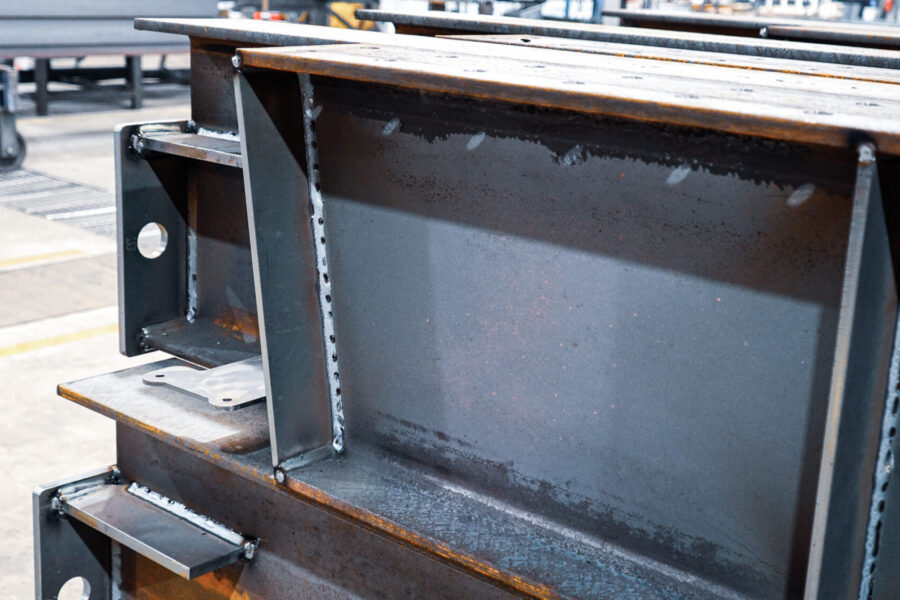
More than wire, you are losing time
Welding costs are often misread. Consumables (like wire or gas) account for less than 10% of total cost of production. Labor is roughly 85%. That changes the math entirely.
A bigger weld doesn’t just use more material. It slows you down.
Going from a 3/16″ fillet weld to 1/4″, one size up (or, in metric units, going from 6mm to 8mm), may feel like nothing. But that single change, it’s hurting more than you realize:
- The weld volume increases by 78%.
- Travel speed drops from 23 ipm (≈584 mm/min) to 13 ipm (≈330 mm/min), cutting your monthly output by 43%.
- A job that should take 12 months now takes 22. Same crew, same equipment.
Imagine hiring two welders and only one shows up. That’s the cost of overwelding.
In addition to that, extra weld metal means extra heat. Extra heat means distortion. Distortion means rework, straightening, delays. Add grinding and spatter cleanup on top, and a single oversized weld pulls time from multiple points in your workflow.
The way to close the gap
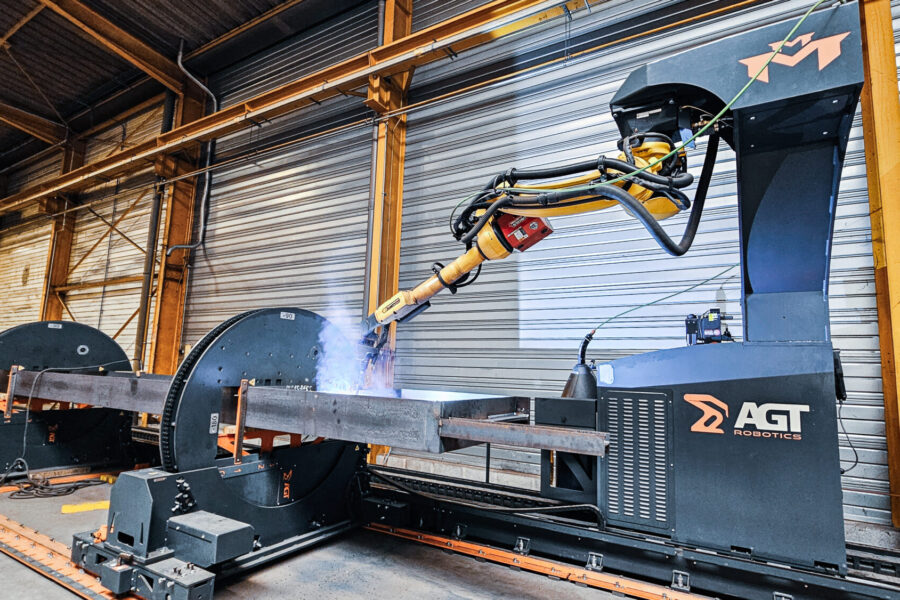
Manual welding, even with experienced welders, carries inherent variation. Robotic welding removes most of that variation.
Structural steel fabricators using robotic welding, like the BeamMaster from AGT Robotics, report a different kind of production floor. Weld placement and parameters stay consistent across every pass, and that consistency changes what a manager can actually plan around. Schedules become more reliable. Delivery commitments carry less risk.
On the output side, a robot can operate at around 65% arc on time, meaning it’s actively welding for nearly two-thirds of its runtime. Compare that to an over-welded manual job already running at less than half normal output, and the difference in throughput is something you can’t ignore.
The goal isn’t to automate everything. It’s to take the parts of the process where variation is most costly and stabilize them.
Why is this worth addressing now
The labor shortage in welding is real and getting worse. Shops are being asked to do more with less predictable capacity. In that environment, process variation, the kind that leads to inconsistent weld sizes, poor fit-up, and rework, it’s not a small issue. It adds up quickly.
The shops gaining ground aren’t necessarily hiring more welders. They’re hitting targets with the team they already have.
Serru is a good example. Faced with a regional hiring challenge, they integrated the BeamMaster not to replace staff, but to make up for the workers they hadn’t been able to hire.
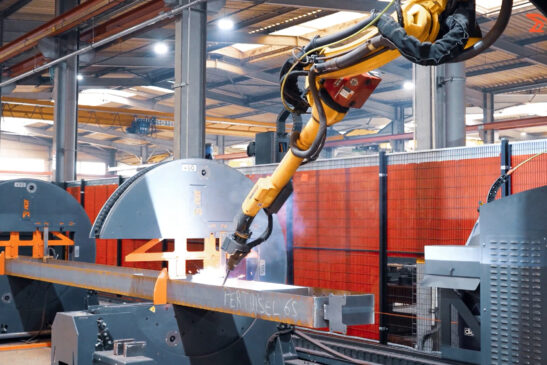
By automating the long, repetitive manual welds, they turned their welders into assemblers, freeing the team to focus on the more complex side of the work. And because the system runs autonomously until 3:00 AM, they gained extra hours they simply didn’t have before.
Same team, 10% more output, consistent results, and a production schedule they could actually commit to.
That’s where the margin is.
From theory to real action
If overwelding is eating into your output, it’s worth seeing how a structural steel fabrication workflow changes when variation is taken out of the equation. Book a quick call with our team of specialists and we’ll walk through the numbers with your operation in mind.
Latest AGT News
Stay informed with our in-depth articles on the latest innovations and developments in the world of robotics and automation.
-
19 June 2026 Testimonials
How SCAM increased weekly production without hiring more welders
Read more -
22 May 2026 Articles
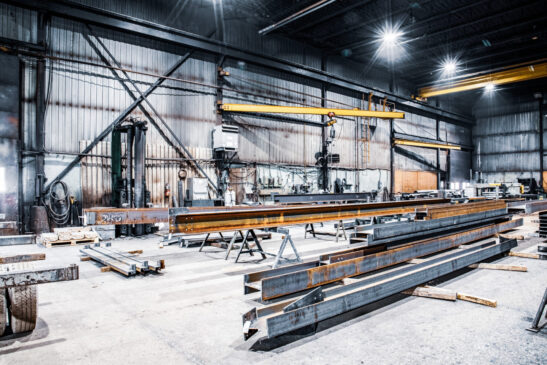
How high-mix fabricators reduce welding variability
Read more -
7 May 2026 Events
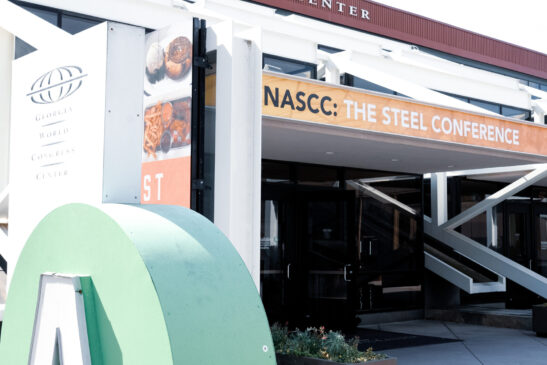
NASCC 2026 in Atlanta confirmed what we hear every week from structural steel fabricators.
Read more